








For decades, the standard surfboard was built using a polyurethane (PU) foam blank wrapped in fiberglass and polyester resin. It is the classic formula that shaped modern surfing. However, aerospace materials have officially infiltrated the lineup. Carbon fiber surfboards (built over EPS foam with epoxy resin) are no longer experimental prototypes—they are widely available and fiercely debated.
When choosing between a carbon surfboard vs PU surfboard, you are not just picking a color; you are choosing entirely different physics underfoot.
Here is the ultimate technical and performance breakdown to help you decide which material belongs in your quiver.
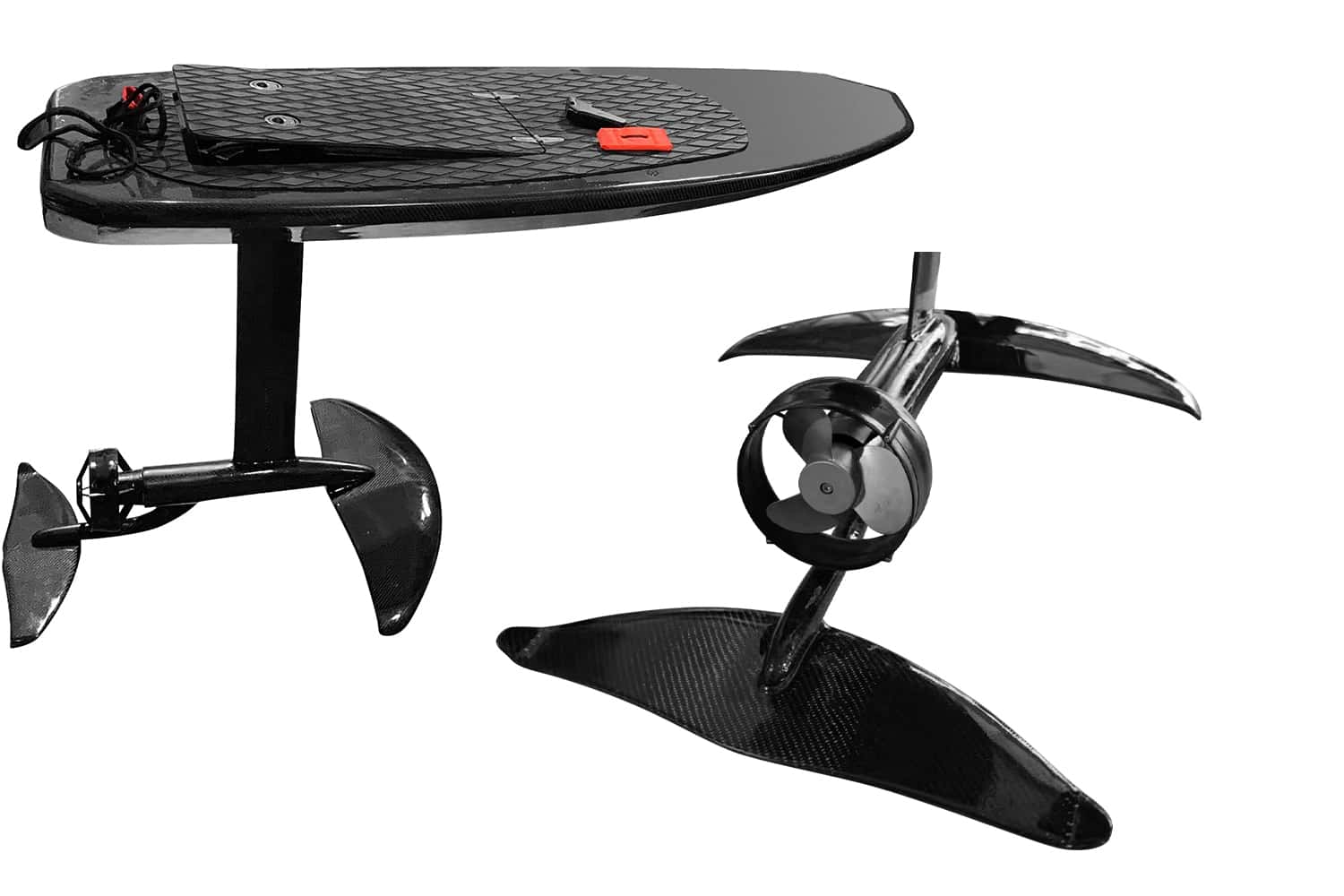
1. The Core Differences in Construction
Understanding how these boards ride starts with understanding how they are built. The materials dictate the weight, flex, and lifespan of the board.
-
PU (Polyurethane): The traditional method. A dense PU foam blank is shaped with a wooden stringer down the middle for stiffness, then glassed with standard fiberglass and polyester resin.
-
Carbon Fiber (EPS/Epoxy): A lighter, less dense EPS (Expanded Polystyrene) foam core is wrapped—either fully or along the rails—with a woven carbon fiber cloth and sealed with high-strength epoxy resin. Most carbon boards eliminate the wooden stringer entirely, relying on the carbon shell for structural integrity.
2. Weight and Buoyancy
Fibra de carbono is significantly lighter and more buoyant than PU.
Because EPS foam contains more air, and carbon fiber has an incredibly high strength-to-weight ratio, a carbon board can weigh up to 20-30% less than its PU counterpart.
-
The Carbon Advantage: The extra buoyancy means carbon boards paddle faster and catch waves earlier. They sit higher on the water’s surface, reducing drag.
-
The PU Advantage: PU sits lower in the water. While it requires more effort to paddle, that “sunk-in” feeling provides better rail control in steep, hollow waves. PU cuts through water, whereas carbon tends to skip over it.
Pro Tip: If you switch from PU to carbon, drop your board volume by 1 to 2 liters to compensate for the added buoyancy.
3. Flex and “Pop” (Kinetic Memory)
Flex is the holy grail of surfboard performance. It is how a board bends into a turn and snaps back to generate speed.
-
PU (Predictable but Degrades): PU flexes smoothly and predictably, absorbing bumps and chop like a car with soft suspension. However, the wooden stringer and fiberglass gradually lose their “memory” over time. After a year of hard surfing, a PU board can feel “dead” or sluggish because the materials no longer snap back as quickly.
-
Carbon Fiber (Explosive and Permanent): Carbon fiber has an incredibly fast recoil rate. When you compress the board in a bottom turn, the carbon snaps back to its original shape instantly, literally launching you out of the turn. This translates to explosive speed. Better yet, carbon does not lose its memory. A carbon board will have the exact same “pop” three years later as it did on day one.
4. Durability and Lifespan
If you are looking at return on investment (ROI), the durability comparison is heavily skewed in one direction.
PU Boards:
-
Prone to pressure dings on the deck (heel dents).
-
Fiberglass shatters relatively easily on rock strikes or hard impacts.
-
Prone to “yellowing” over time due to UV exposure.
-
Typical peak lifespan: 1 to 3 years of heavy use.
-
The epoxy/carbon shell is nearly crush-proof under normal surfing conditions, preventing heel dents.
-
Highly resistant to snapping or buckling.
-
The Catch: Carbon boards are extremely sensitive to heat. Because they are dark, they absorb sunlight rapidly. If left in a hot car, the EPS foam will expand and cause the board to delaminate.
-
Typical peak lifespan: 5+ years (with proper heat management).
5. Wave Conditions: Where They Excel
You wouldn’t drive a sports car off-road, and you shouldn’t ride the wrong board in the wrong conditions.
| Wave Type | Best Construction | Why |
| Glassy, Clean, Small to Medium | Carbon | The lightweight construction generates its own speed frictionlessly, allowing you to fly through flat sections. |
| Choppy, Windy, Messy | PU | The added weight of PU acts as a shock absorber, cutting through chop where a carbon board would bounce and chatter uncontrollably. |
| Big, Hollow, Barreling | PU | PU sits lower in the water, allowing the rail to engage deeply into the face of a steep wave for maximum hold and control. |
Final Verdict: Which Should You Buy?
Choose a PU Surfboard if:
-
You surf mostly in choppy, windy, or heavy/barreling conditions.
-
You prefer a smooth, damp, and predictable feel underfoot.
-
You are on a budget and don’t mind replacing your board every couple of years.
Choose a Carbon Surfboard if:
-
You surf relatively clean conditions and want maximum speed and aerial projection.
-
You want a board that feels brand-new for years without losing its flex memory.
-
You are willing to pay a premium upfront for long-term durability.
Ultimately, neither is objectively “better” than the other—they simply serve different purposes. Assess your local break, your budget, and your surfing style, and you’ll know exactly which board to grab off the rack.
